Phase 3. Strategic Exploration & Alignment
Phase 3. Strategic Exploration & Alignment
Collaborative Problem-Solving
Collaborative Problem-Solving
Collaborative Problem-Solving
Collaborative Problem-Solving
Context: Design in the industrial sector never happens in a vacuum. To move from fragmented ideas to a scalable system, I led the alignment between backend constraints and frontend usability. By facilitating cross-functional workshops, I ensured that every architectural decision served both technical stability and operational clarity.
Context: Design in the industrial sector never happens in a vacuum. To move from fragmented ideas to a scalable system, I led the alignment between backend constraints and frontend usability. By facilitating cross-functional workshops, I ensured that every architectural decision served both technical stability and operational clarity.
The Workshop: Facilitating Shared Ownership
The Workshop: Facilitating Shared Ownership
Objective:
Objective:
To break down information silos by bringing developers, PMs, and stakeholders to the same table
To break down information silos by bringing developers, PMs, and stakeholders to the same table
Methodology:
Methodology:
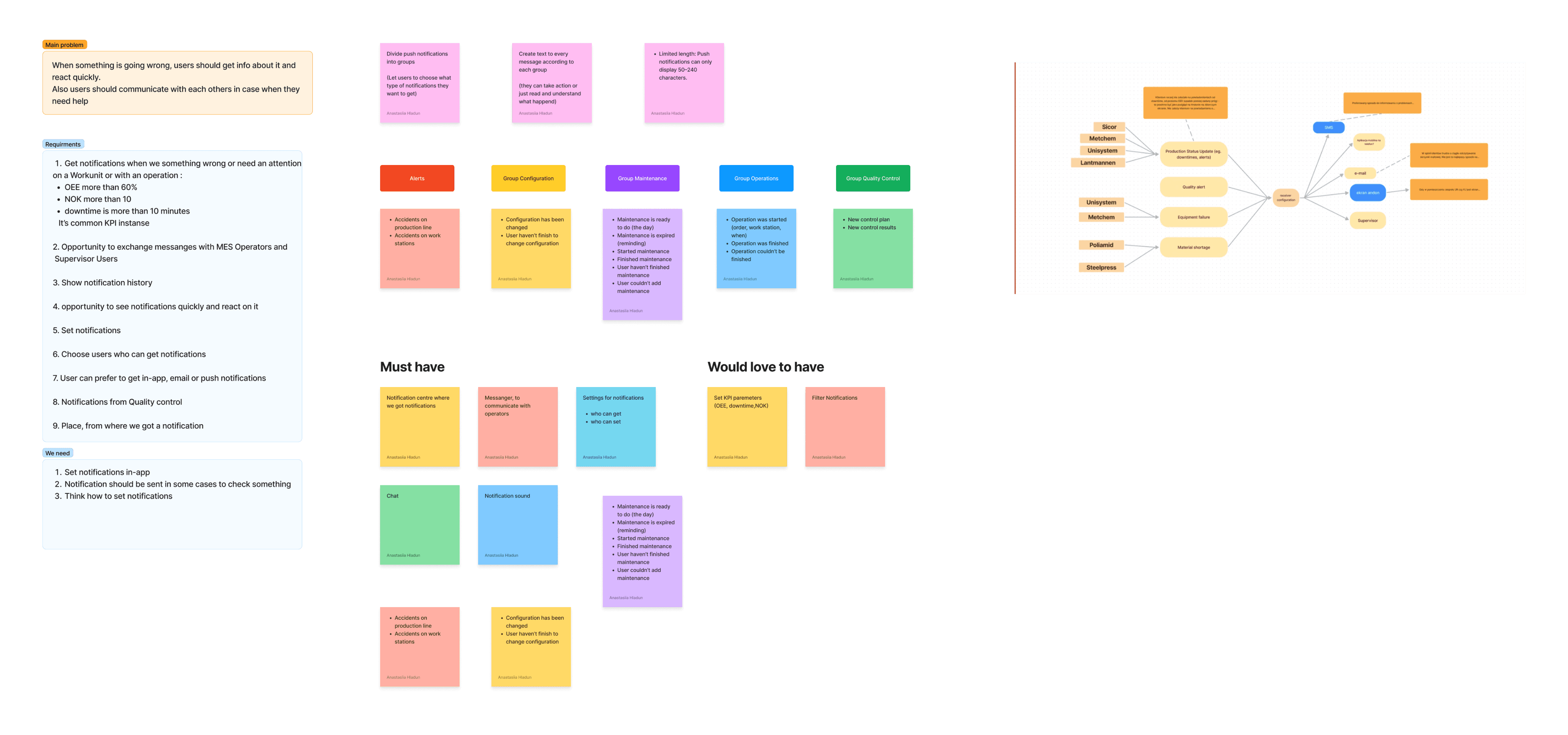
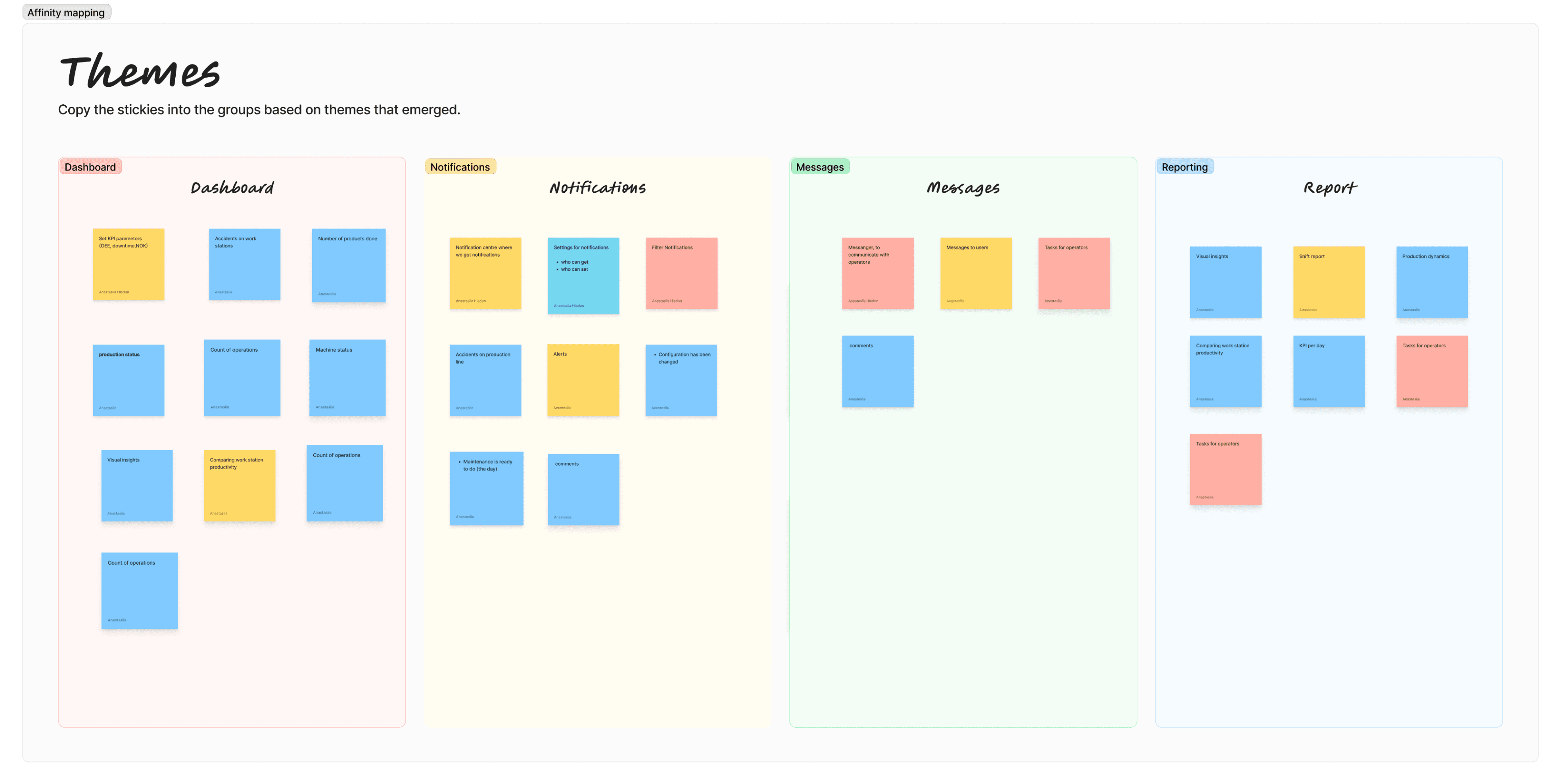
Utilizing Brainstorming and Affinity Mapping to categorize 50+ technical requirements into meaningful functional groups.
Utilizing Brainstorming and Affinity Mapping to categorize 50+ technical requirements into meaningful functional groups.
Impact-Effort Matrix:
Impact-Effort Matrix:
A prioritized feature list that balanced user needs with technical feasibility, reducing future development rework.
A prioritized feature list that balanced user needs with technical feasibility, reducing future development rework.
Workshop
Workshop
Affinity diagram
Affinity diagram
Architecting the Logic: Beyond Pixels
Architecting the Logic: Beyond Pixels
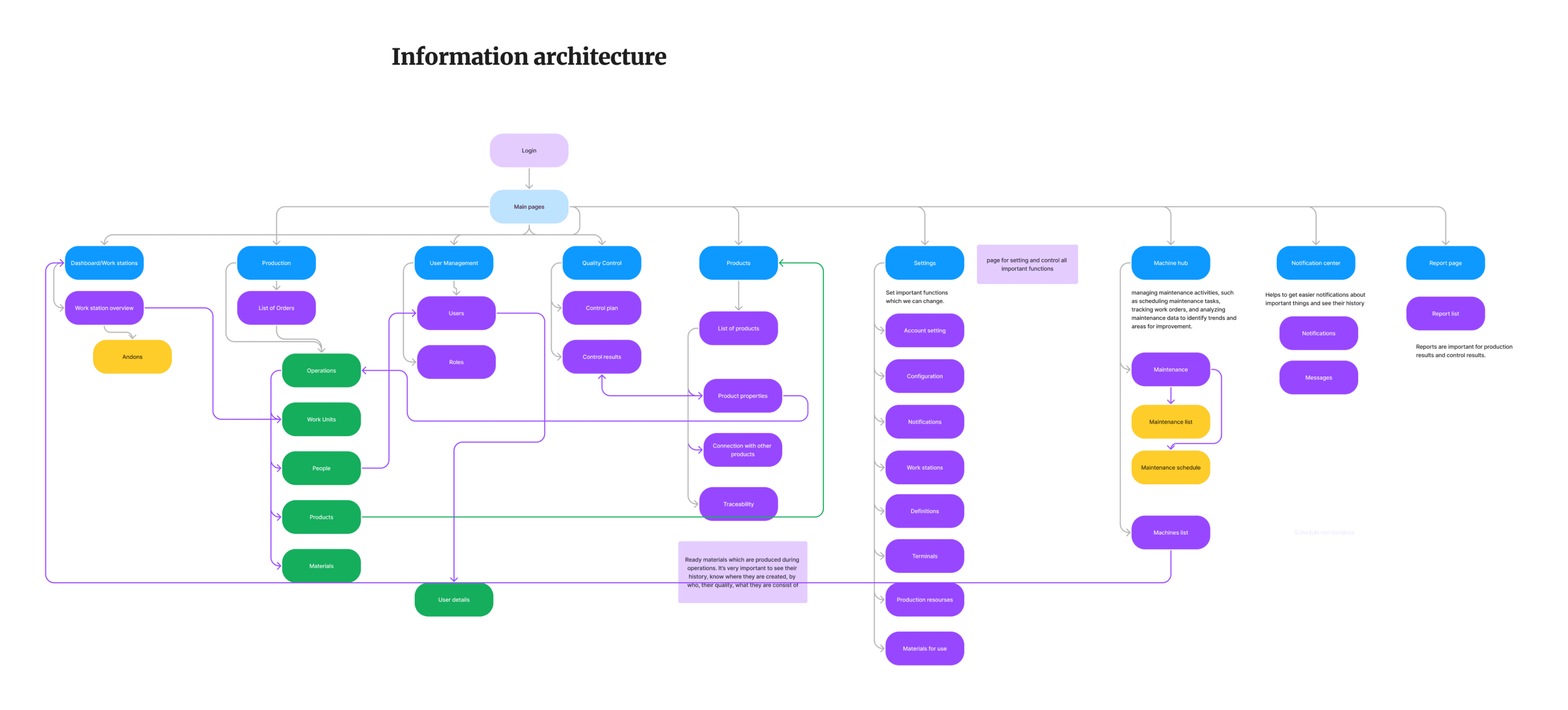
Information Architecture (IA): I engineered a modular navigation structure that supports 24/7 monitoring without overwhelming the operator.
Information Architecture (IA): I engineered a modular navigation structure that supports 24/7 monitoring without overwhelming the operator.
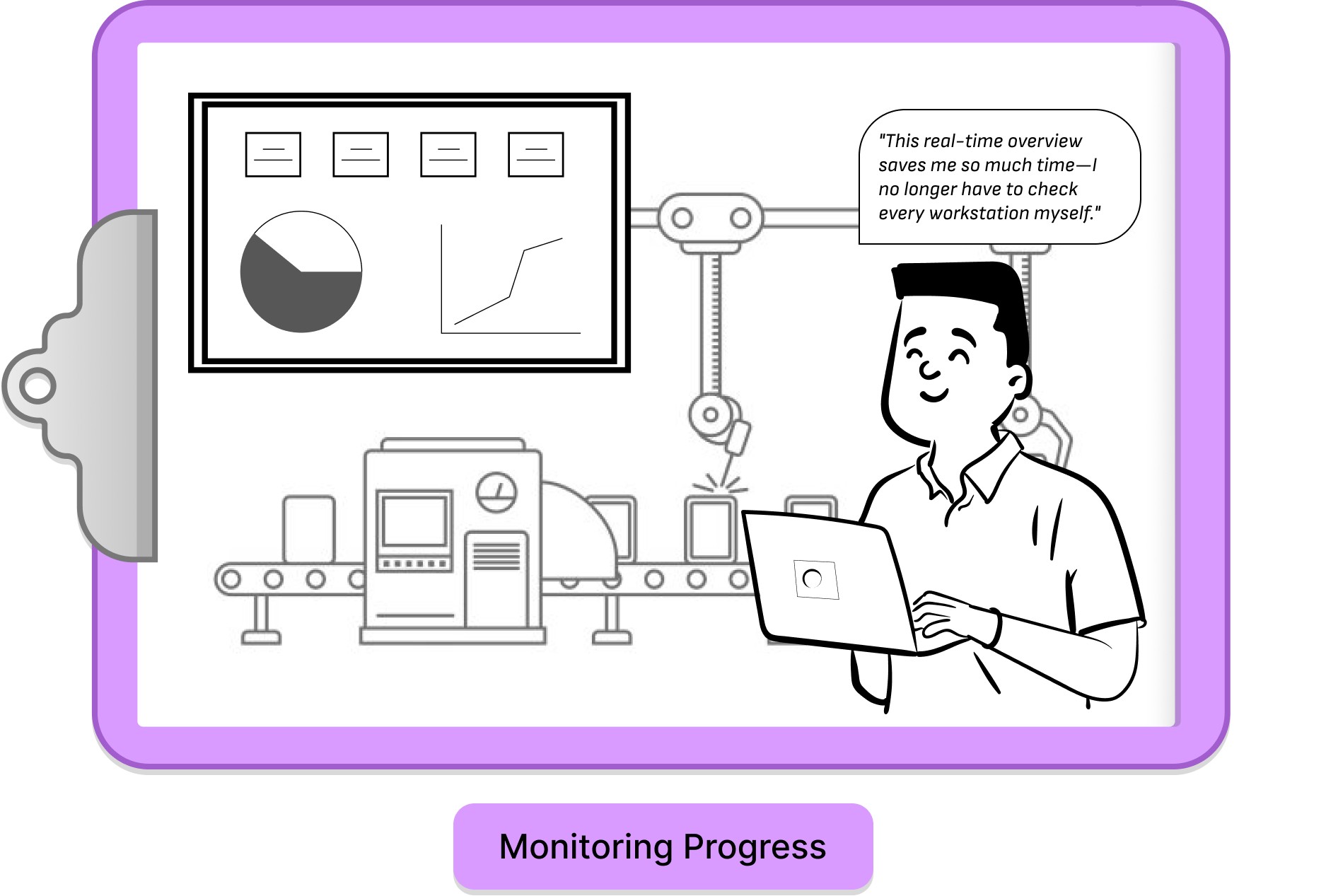
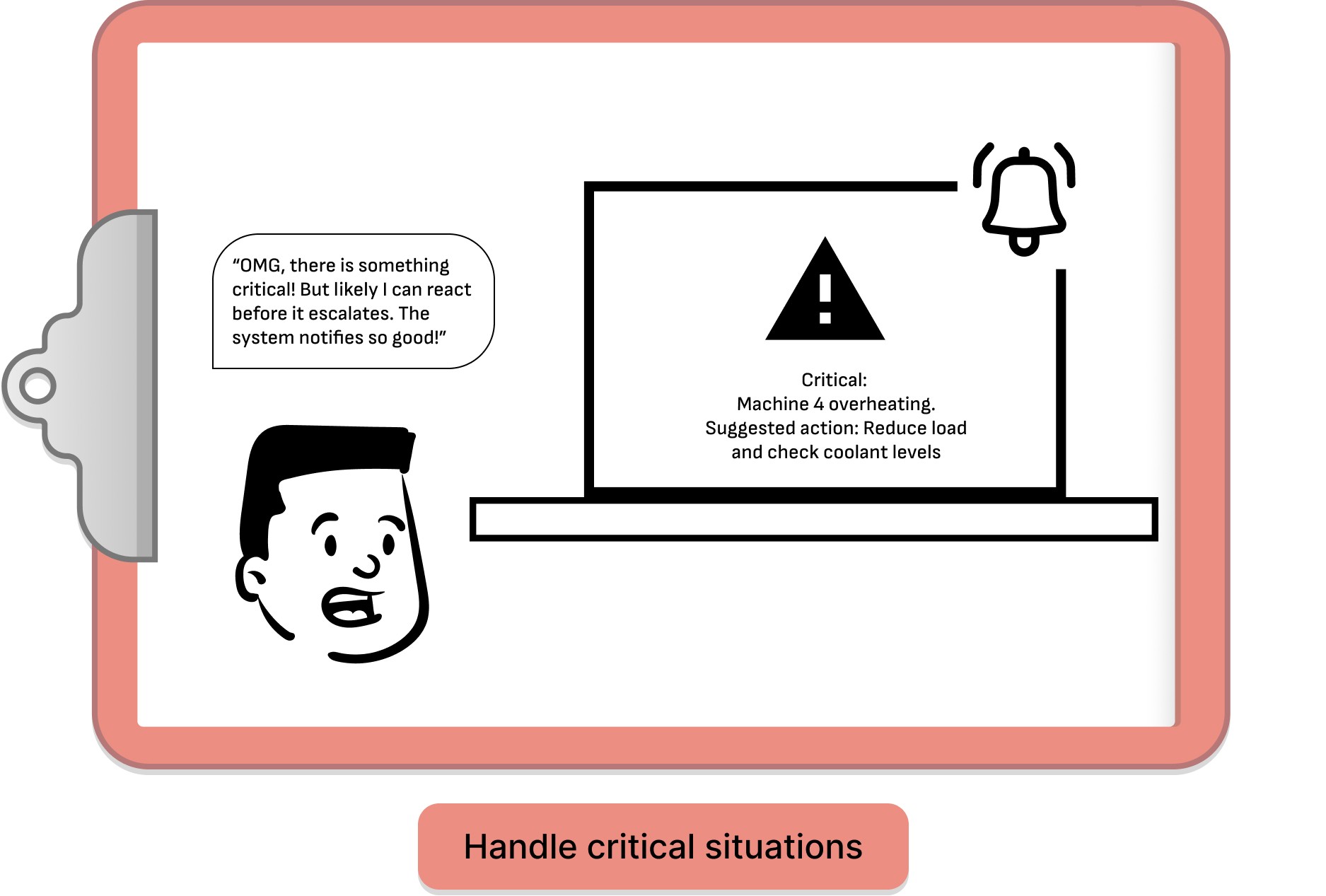
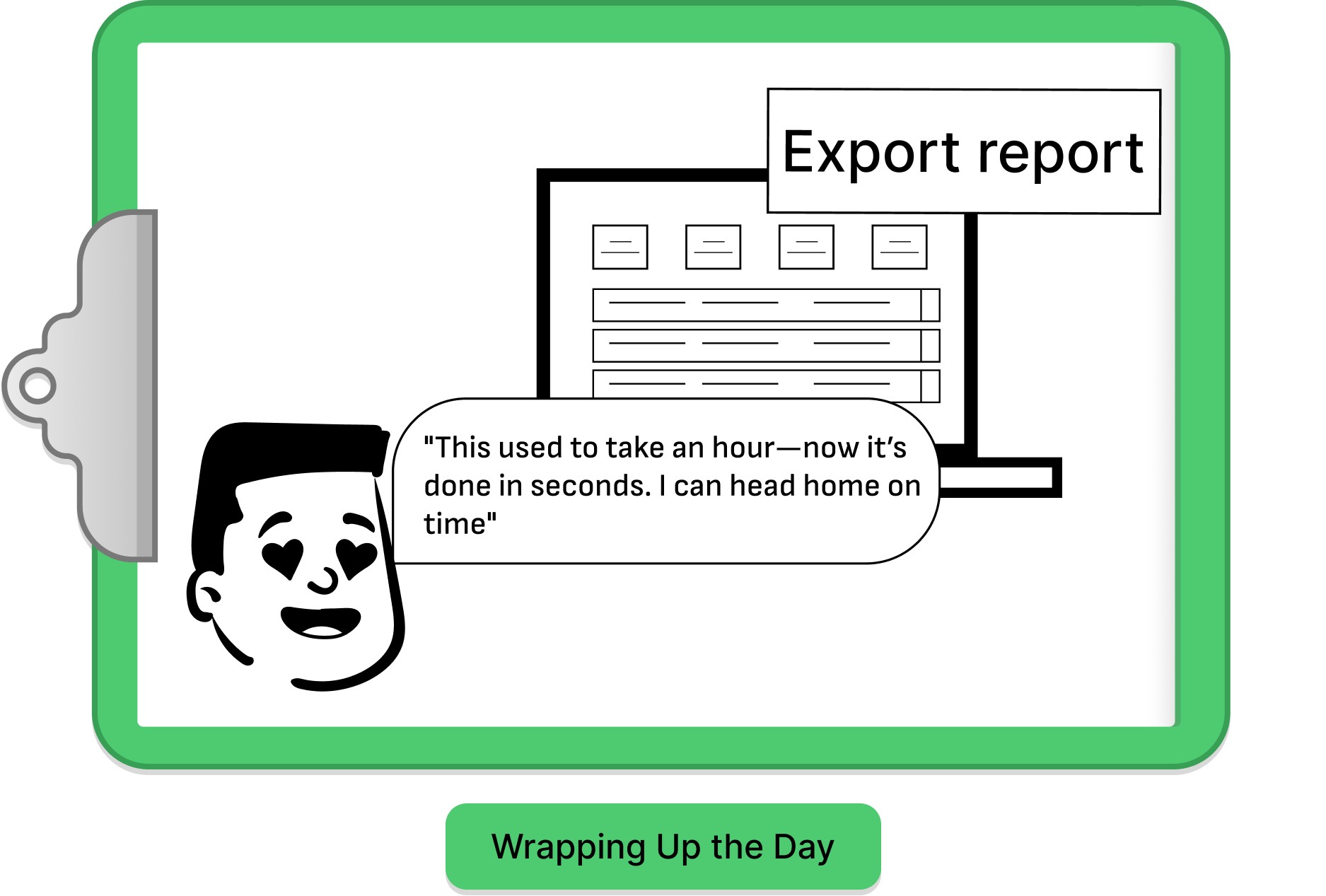
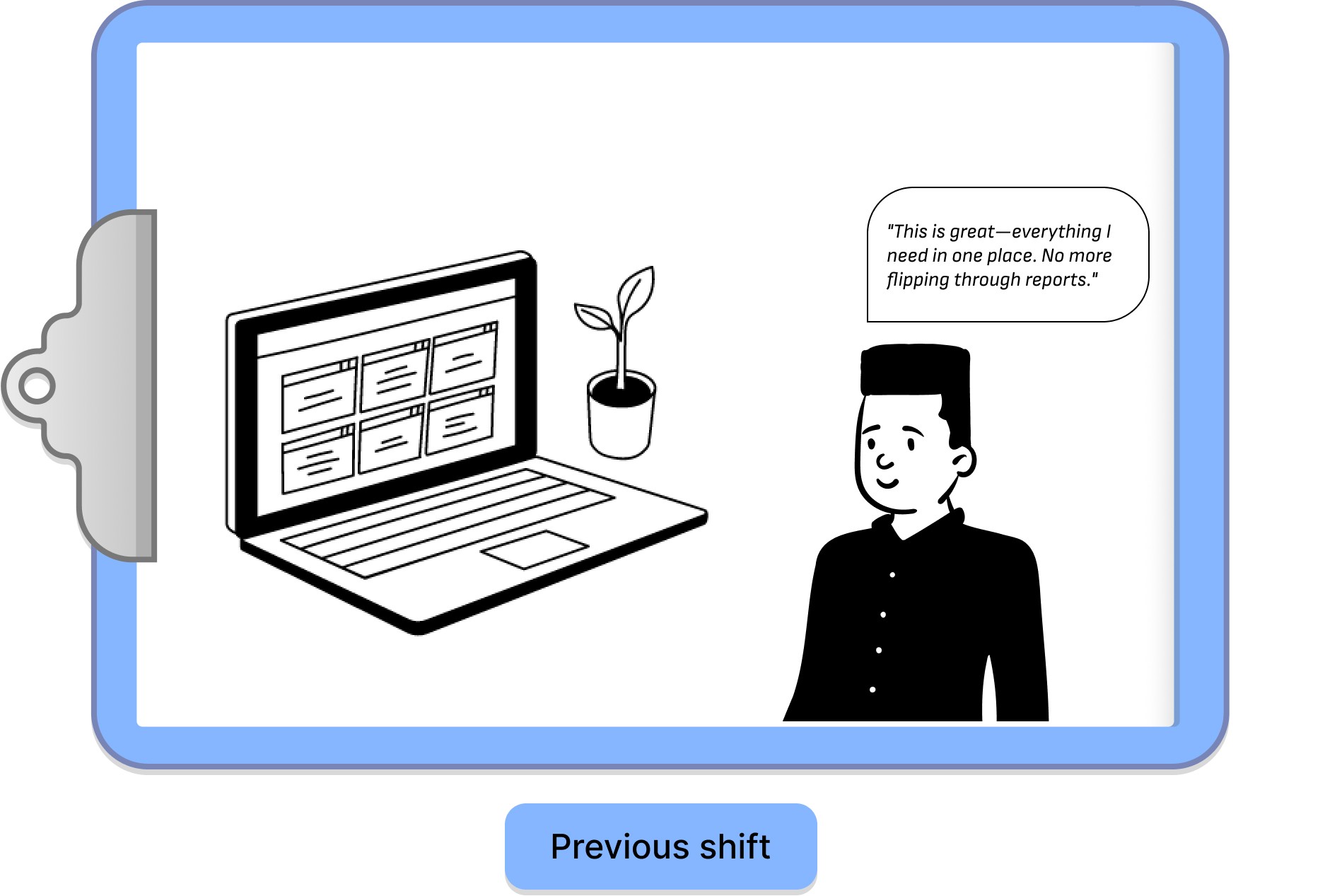
Scenario Storyboarding: Visualizing "incident response" flows to validate how the system behaves during high-stakes equipment failures.
Scenario Storyboarding: Visualizing "incident response" flows to validate how the system behaves during high-stakes equipment failures.
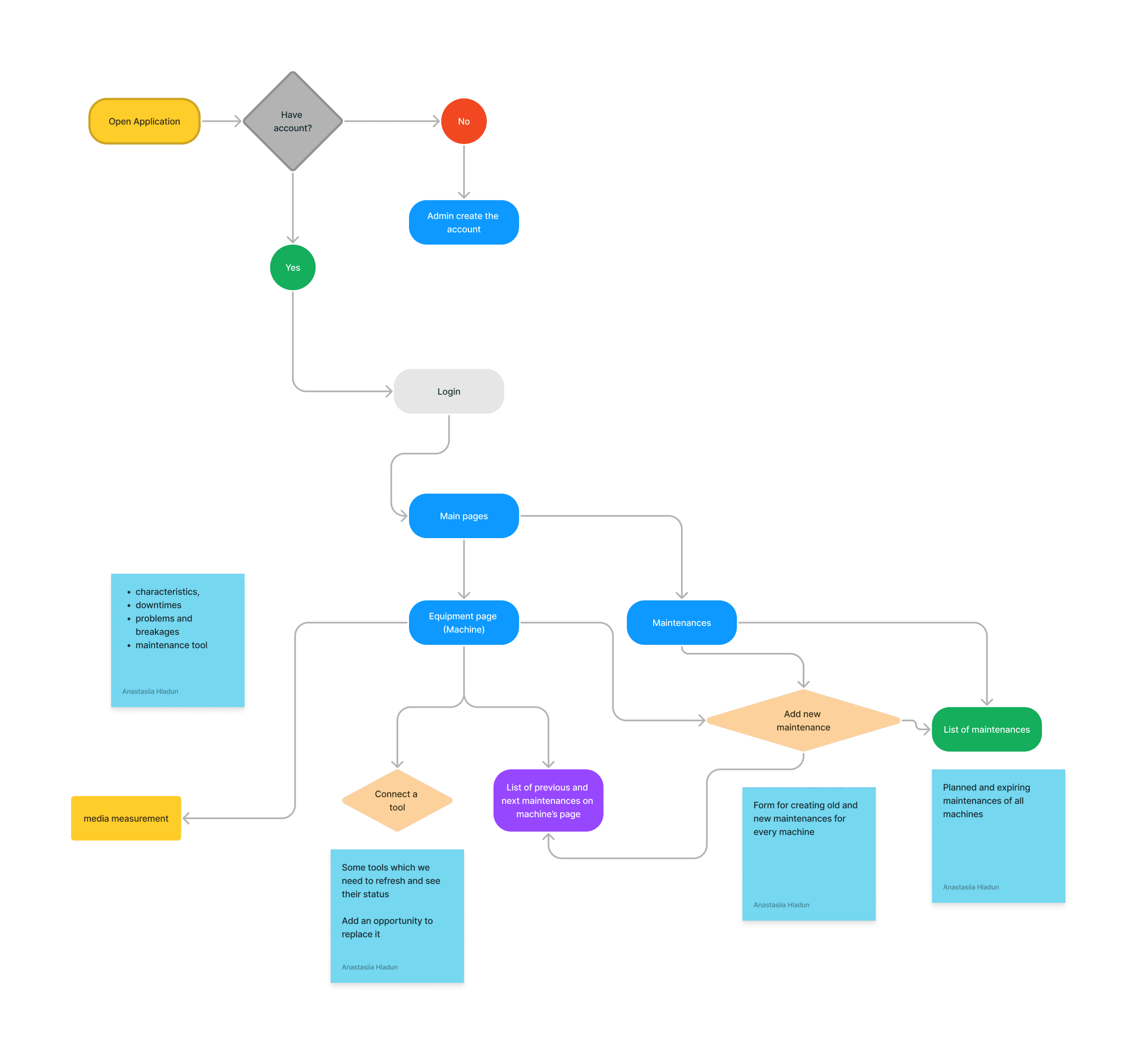

User Flow Optimization: Streamlining daily tasks to minimize unnecessary clicks, ensuring that critical data is always reachable within 2-3 interactions.
User Flow Optimization: Streamlining daily tasks to minimize unnecessary clicks, ensuring that critical data is always reachable within 2-3 interactions.
Functional Wireframing: The Structural Skeleton
Functional Wireframing: The Structural Skeleton
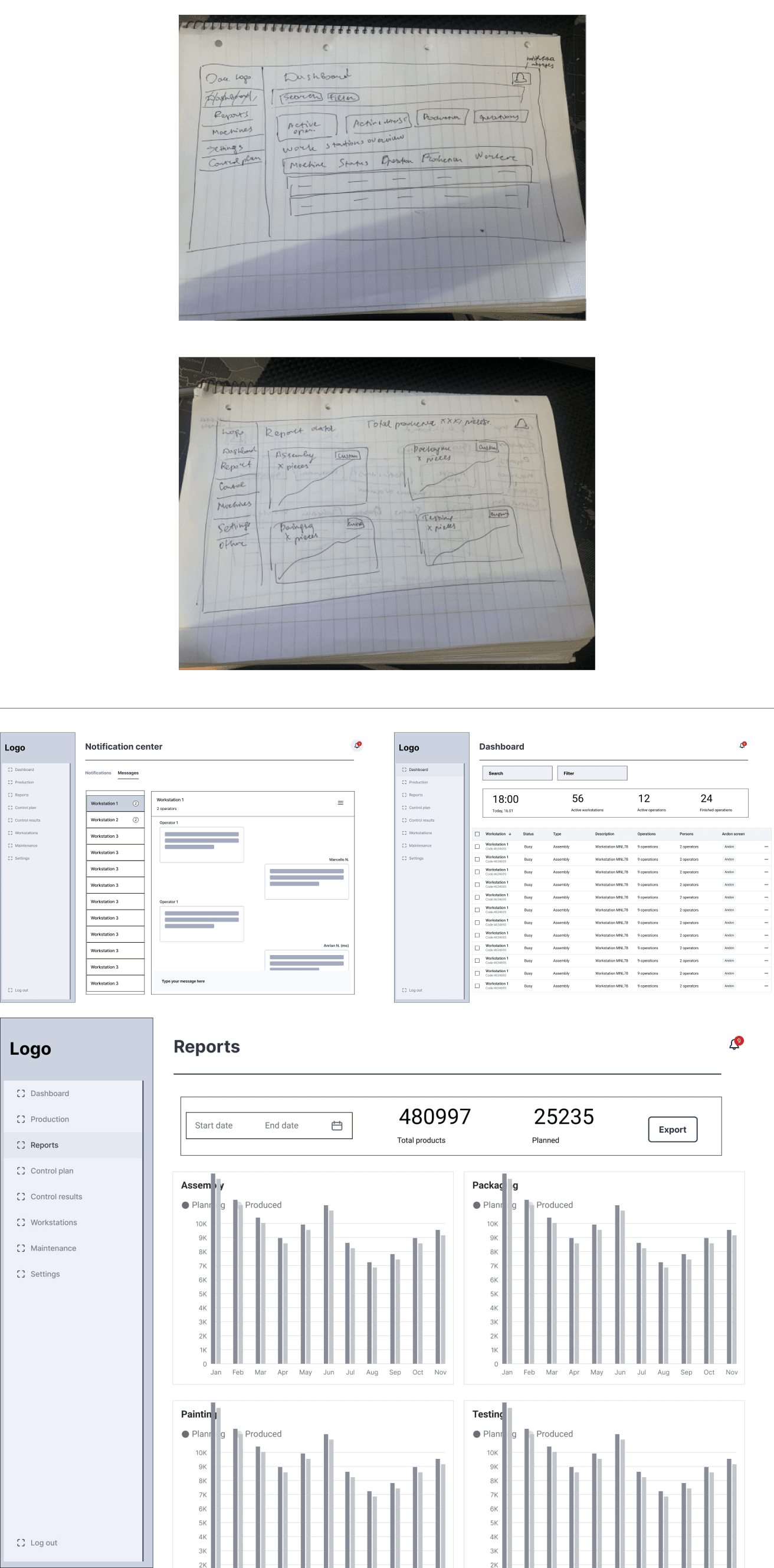
"My focus at this stage was data density and legibility. I treated wireframes as clinical blueprints—validating the hierarchy with engineers before committing to high-fidelity design.
"My focus at this stage was data density and legibility. I treated wireframes as clinical blueprints—validating the hierarchy with engineers before committing to high-fidelity design.
Scenario Storyboarding: Visualizing "incident response" flows to validate how the system behaves during high-stakes equipment failures.
Scenario Storyboarding: Visualizing "incident response" flows to validate how the system behaves during high-stakes equipment failures.